
Sienná: “I want my music to be referred to as the perfect imperfection”
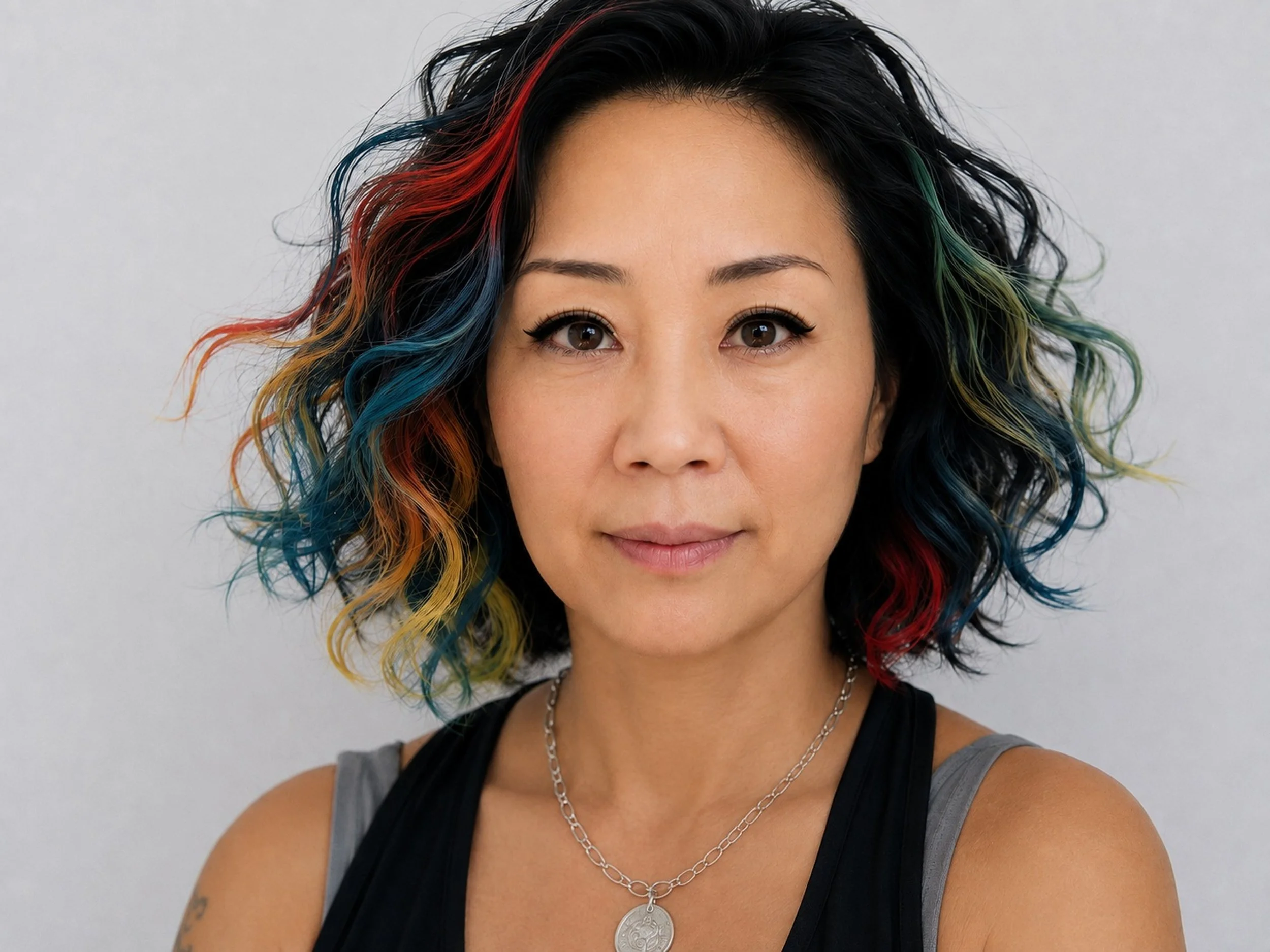
Born in the ancient city of Kyoto, Japan, and currently based in Oslo, Norway, Sienná has been described as an "east-meets-west experimental phenomenon". And after just one run-through of her latest album Ema, you quickly realise how fitting that label is.
An artist, producer, and composer, Sienná has gained a reputation for her "no rules" philosophy. Leaning into highly experimental, genre-defying lanes, her work carries a sense of total freedom.
Getting the feeling that Sienná had an interesting story to tell, I reached out to see whether she'd be up for an interview. Thankfully, she was keen to spend some time and chat!
Reflecting on the purchase of her first synthesizer, why she treats songwriting like painting on a fresh canvas, and her firm belief that human art must stay clearly separated from AI, please welcome our new friend Sienná!
Hi Sienná, I'm so grateful you've taken the time to chat with us, and I can't wait to introduce you to our ever-growing audience!
Let's start at the beginning. What first got you into music, and what were some of the moments that have led you to where you are today in your artistic career?
Thank you for having me here. It´s my pleasure to chat with you!
My journey into music began with the piano when I was around 4, and a family collection of classical vinyl records that I could play anytime on our stereo system, which was so much bigger than my body at that time.
I started to steal a glance at digital keyboards when the synthesizer artists became major chart-topping stars. I was quite into Yellow Magic Orchestra, who were among the very first pioneers of electronic music in Japan. Howard Jones was my first live concert experience. After the rewards of saving pocket money for a long period of time, I managed to buy my first proper synthesizer when I was 18.
Which would you rather:
Have one of your songs featured in a massive movie, or have it become the favourite song of your musical hero?
I would love one of my songs to be featured in a movie. Collaboration between sound and visual elements elevates each other's perception mutually in the emotional framing. I won´t be able to resist such collaboration offers.
Let's dive into Ema, your brand new album, and first since 2003's Wa-Kei-Sei-Jyaku.
May I just say, it's one of the most beautiful, intriguing, and immersive albums I've heard all year.
You've mentioned that it's a nine-track collection of image-to-sound syntheses. Please tell us more 😊
Thank you so much for your kind words!
Songwriting for me is exactly like a painter beginning to paint on a white canvas. A warm gesture may be associated with pastel pink, a soothing feeling may be light blue. In the same way, I choose appropriate sounds that can resonate with my images.
Initial inspirations and ideas can develop into a sketch. From there, I could start with the "background paint" by selecting correct sound textures and editing synthwaves in the first foundational phase. After that, I can make a layer and build up another layer over it, continue, add details and highlights, often by playing hardware synthesizers and piano. Now we can turn the tables and see how the listeners individually translate it from sound to image. That´s the most exciting part.
Who are some of your biggest musical influences?
And, if I peeked at your ‘Recently Played’ section right now, who would I find there?
Ryuichi Sakamoto. It felt like an epoch was over when he passed away in 2023, but his music still means just as much in my daily life.
My 'Recently Played' list currently contains a lot of rock music, like Steve Vai, Rage Against the Machine, Ratt, Mr. Big, etc. I used to play the electric guitar before, by the way, but I can guarantee that I´m the world´s worst guitar player.
Outside of music, what keeps you busy, happy and motivated? Walk us through a non-music day in the life of Sienná.
I´m very nerdy, so I spend a lot of time collecting information on "things". The subject may change from time to time. I could suddenly start collecting niche knowledge of volcanic pumice stones or highly unique spring onion variants. A whole day can be spent looking at Google Maps in some historic regions or learning the newest HTML coding. This nerdy tendency shines when I write music, of course. Also, I have nothing to complain about when I bicycle. I bike around 20 km in Oslo every day; therefore, I know Oslo very well.
How do you define "musical truth" in your work, and what does staying true to that mean for you as an artist?
Being true to myself and aligning my actions, choices, and boundaries with my core values instead of chasing external approval. I must know what matters most to me, "only me".
Distinctiveness can always become a target for criticism. The nail that sticks out often gets hammered down. But the ultimate question is "what could I possibly change when my actions flew naturally from a deeply rooted sense of myself?" - nothing! That´s my musical truth.
I accept some constructive criticism with gratitude, but I don´t need to be bothered by irrelevant ones. I cannot control how others judge my music.
Many years from now, when you look back on your catalogue, what do you hope listeners will come to understand about you through your music?
The AI will keep generating millions of songs continuously and globally every day. We´ll be drawn to the sea of mathematical patterns and generic algorithms for sure, and certainly get sick and tired of "fatigue" due to the generic templates that dominate streaming platforms and playlists.
Even though my music catalogue might not be everyone´s favorite, I do hope that all human-made music, including mine, will always be labelled separately from AI music. Human authenticity, vulnerability, and aesthetic values can be simulated but cannot be truly realized by the machines. I want my music to be referred to as the perfect imperfection.
Sienná, it's been an absolute pleasure having you here! Thanks again for taking the time!
Before we say farewell for now, what's next on your sonic horizon, and do you have any words of wisdom you'd like to leave us with?
Right now I´m trying to distance myself from all the work and effort I put into the new album. A cleansing period is necessary and beneficial. In the meantime, I´m involved in a gathering of music producers who discuss the problems with AI-generated music. I´m not sure what will happen after that; we´ll see!
For now, I dedicate one of my favorite Japanese proverbs to you. "When it rains, earth hardens", which means that adversity strengthens the foundations. Be patient, have faith, and spread the good vibes even when the world seems to be sad and cruel at times.
