
The New Citizen Kane: “I don't think I ever decided to become a songwriter—it's simply how I've always processed the world”
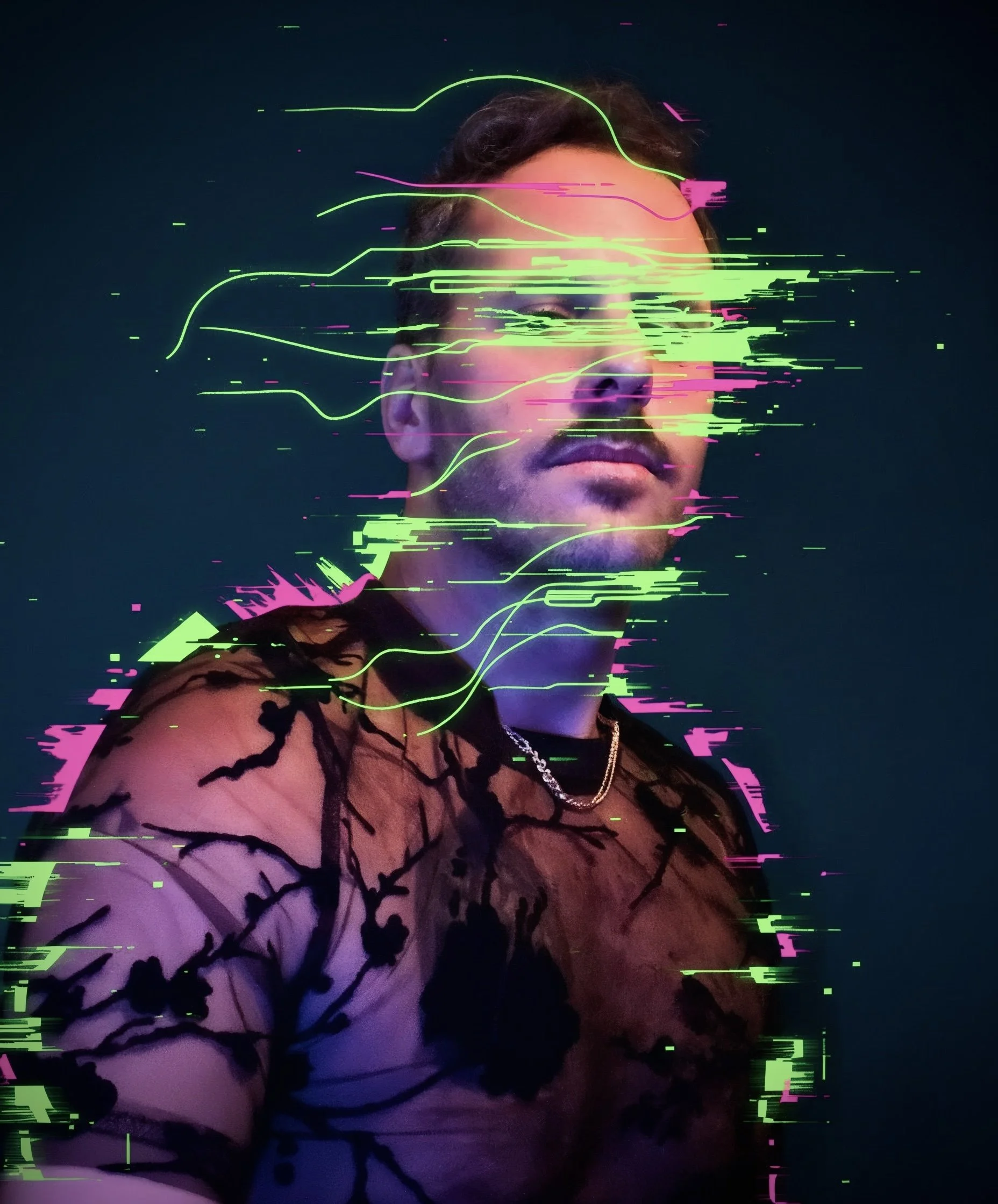
At the end of last year, PSYCHEDELIKA Pt. 1 entered my world. Courtesy of Kane Michael Luke, a London-based artist who performs under the moniker The New Citizen Kane, the seventeen-track extravaganza quickly became a favourite of mine.
Since then, Kane has released a ton of new material, proving himself to be a rather prolific creator. Whether he's crafting infectious dancefloor anthems or introspective electronic soundscapes, every release adds another intriguing layer to his ever-expanding sonic universe.
Deciding it was well past time to have a proper chat with Kane, I was stoked when he agreed to an interview! Chatting with us about his early days as Discokane, what inspired his latest single metalLIC, and why he no longer measures his worth by streaming numbers or social media followers, please welcome our friend Kane Michael Luke, AKA The New Citizen Kane!
Hey Kane, I'm over the moon to get to chat with you! As you know, I've been a big fan for a while now!
You released your debut single, Remedy, back in 2014. Now, I know it's hard to basically sum up a lifetime, but how has your sound, songwriting, and outlook changed over the years? And where would you point first-time listeners?
Hey Jeremy! It's great to be here and have a proper deep and meaningful conversation with you. And actually, my story goes back even further than 2014. Before The New Citizen Kane, I was releasing music as Discokane and under my own name, Kane Luke, as far back as 2001. So it really has been a lifetime of making music.
I've always been naturally curious. I love exploring different sounds, genres and what I call "creative escapades" (a little nod to metalLIC). Every project has been an opportunity to build a different emotional world.
Over the years, all those influences have gradually merged into something that feels unmistakably my own. My music lives in the tension between opposites—light and dark, melancholy and joy, introspection and celebration. It's expansive but intimate at the same time. I call it rhythm & synth because rhythm is what moves the body, while synthesis lets me paint emotional landscapes that feel limitless.
Electronic music can sometimes be dismissed as cold or synthetic, but I've always experienced it as one of the most expressive and liberating ways to communicate emotion. It's never been about the technology—it's always been about the feeling.
I'd probably point first-time listeners towards my newest work because it's the clearest expression of who I am as an artist today. That said, I'm genuinely proud of moments from every album. I actually put together a countdown of my personal Top 15 songs across the catalogue on social media, so if someone wants a "greatest hits" introduction before diving in, that's a pretty good place to start.
You've built an impressively deep catalogue over the years. Has songwriting always felt effortless to you, or is there more work going on behind the curtain than people realise?
I started writing songs when I was about 11, and poetry even before that. Looking back, I don't think I ever decided to become a songwriter—it's simply how I've always processed the world. Writing is how I make sense of my emotions, experiences and the contradictions of being human.
I actually learned how essential that was after releasing Invention in 2016. For a while, I focused more on building a "secure" and material life, and it became obvious that creating wasn't just something I enjoyed—it was fundamental to my well-being. When I'm not writing for too long, I don't quite feel like myself.
The songwriting itself has always felt instinctive. Songs tend to arrive quite naturally, whether they're sparked by a conversation, a fleeting thought or an emotion I can't quite explain. The work behind the curtain is really the production. That's been years of study—a degree in sound production, an internship with Nellee Hooper, countless hours experimenting in my home studio and constantly learning new ways to bring those ideas to life.
So the writing is effortless. The craft is making the music sound like it always existed in my head.
By the time this interview is published, your brand new single, metalLIC, will be out in the world.
As you know, I was fortunate enough to hear it early and, as usual, I instantly fell in love with it 😊
What's the story behind the song, and what do you want listeners to take away from it?
metalLIC was written during a moment when I finally felt hopeful about life again. I'd spent a couple of years navigating anxiety and trying to untangle myself from a lot of fear and overthinking. Around the same time, SUBCONSCIOUS was really connecting with people, and for the first time in a long while, I felt genuinely free.
It reminded me of another pivotal moment in my life—coming out as gay in my early twenties. That incredible sense of liberation, of finally allowing yourself to exist without apology. Different circumstances, but the same feeling of shedding a weight you didn't even realise you were carrying.
That's where the line "Free to Feel" comes from. Those three words became the emotional heartbeat of the song and eventually the foundation for the first chapter of PSYCHEDELIKA Pt.2. They're a reminder that life becomes so much richer when we stop trying to fit into expectations—whether they're imposed by society or created by our own insecurities.
If there's one thing I'd love people to take away from metalLIC, it's permission. Permission to feel joy without guilt, to embrace who they are without shame, and to remember that some of life's most beautiful moments happen when we stop chasing perfection and simply let ourselves be.
Who would you say some of your biggest musical influences are, and who would I see under “Recently Played” on your streaming service of choice?
I've always been drawn to artists who refuse to stand still—people who reinvent themselves, take risks and keep exploring new creative territory. That's always felt far more exciting to me than finding one successful formula and repeating it.
Björk has always been a huge inspiration for her fearless originality and emotional honesty. Madonna and Kylie have this incredible ability to evolve with every era while never losing who they are. Coldplay taught me that pop can be expansive and deeply human at the same time. Röyksopp, Massive Attack and Robyn showed me that electronic music can be cinematic, vulnerable and full of soul.
On the production side, I've learned so much from visionaries like Cameron McVey and, of course, Nellee Hooper, who I was lucky enough to intern under. They create records that feel timeless because they're driven by emotion rather than trends.
As for my "Recently Played"... it's usually a wonderfully chaotic mix! One minute it'll be Aaliyah, then Charli XCX, then Fleetwood Mac, followed by some obscure ambient electronic record I've fallen down a rabbit hole with. I'm always searching for something that surprises me.
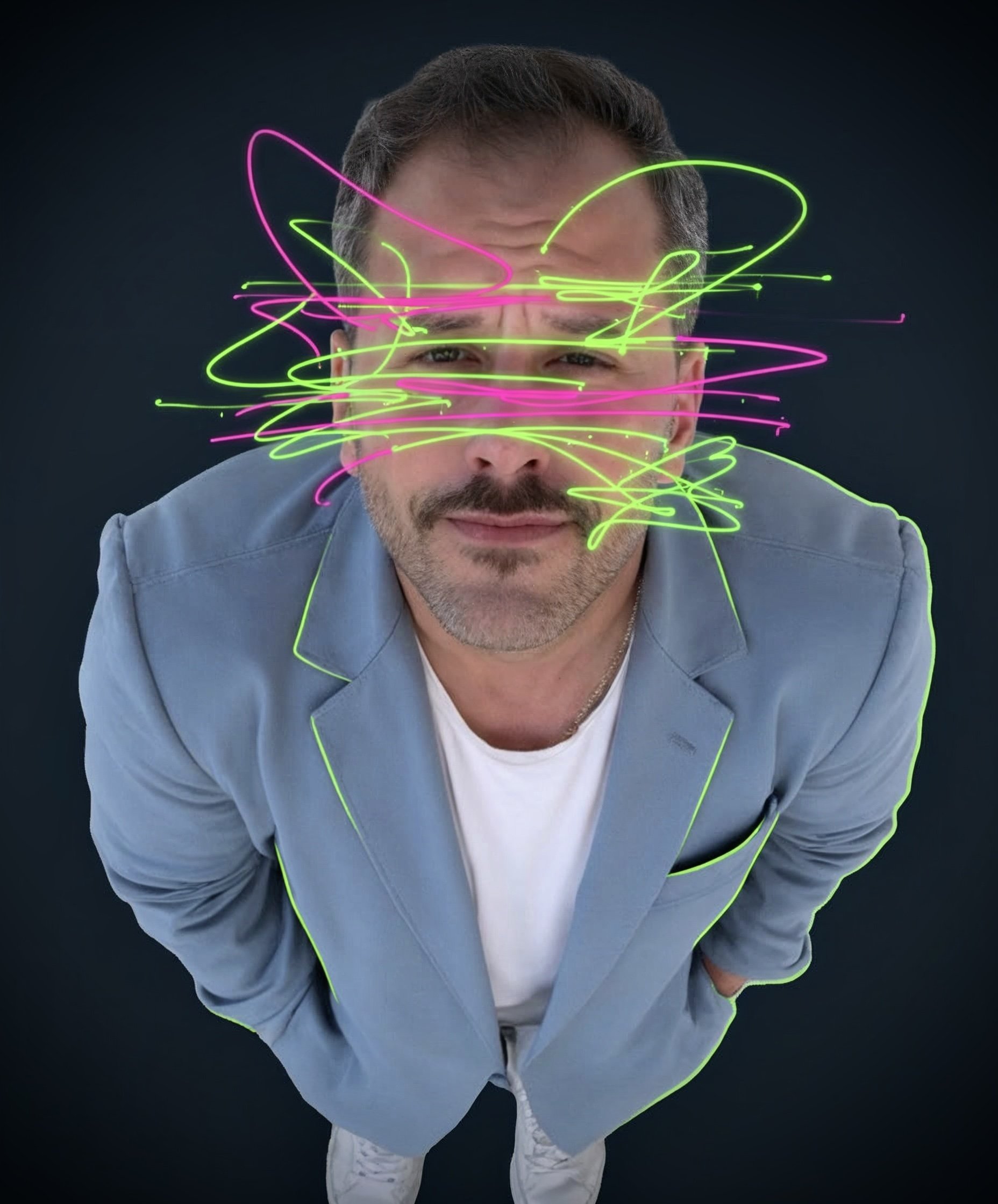
Success is, obviously, such a broad term with different meanings for everyone. What does “being successful” in the music industry look like to you?
Success means something completely different to me today than it did back in 2014. Like a lot of artists, I spent years chasing numbers, recognition and the feeling that I'd somehow "made it." The funny thing is, those goalposts have a habit of constantly moving.
These days, success is much simpler—and much more meaningful.
Last year, my husband and I left London and moved to the Valencian countryside. We bought a house, welcomed our first child into the world, grew our own vegetables, and I got to make music surrounded by nature instead of noise. That shift completely changed my perspective.
Of course, I'd love my music to reach more people—every artist wants their work to connect—but I no longer measure my worth by streaming numbers or social media followers. Success, to me, is waking up excited to create, having the freedom to make the music I believe in, and building genuine relationships with the people who choose to come along for the journey.
If I can make records I'm proud of, support my family, and create a little community of people who find comfort, joy or even just a moment of escape in my music... I already feel incredibly successful.
What’s the best part of being a musician for you? And on the flip side, what are some of the biggest challenges that you’ve faced so far?
Without question, the best part is connection. Music has always been how I process my own life, so when someone reaches out to tell me a song helped them through theirs, that's incredibly humbling.
I've had people tell me that AFTERGLOW found them at exactly the right moment—during grief, depression or periods when they felt completely alone. Others have said a lyric gave them hope or simply made them feel understood. When you're willing to be vulnerable in your songwriting, I think that's the greatest gift you can receive in return. It reminds you that none of us is as alone as we sometimes feel.
The biggest challenge has been navigating an industry that often seems designed to take more from artists than it gives back. Throughout history, music—and entertainment more broadly—has too often relied on creators sacrificing their well-being, ownership or sense of self in pursuit of success. It's something I actually explore on a new song called UGLY ALLIGATOR.
Over time, though, I've realised the industry isn't the audience. The fans are the reason we do this, and they've always been the most honest part of the equation. Once I stopped defining success by the industry's standards and started defining it for myself, everything became much healthier. You stop feeling like you're constantly chasing approval and instead focus on making meaningful work and finding the people it was meant for.
OK, Kane - desert island time! You’re allowed to grab 3 albums before being stranded on an island. Which do you go with and why?
Oh, that's cruel! Just three?!
I'd have to take Mariah Carey's Butterfly, Madonna's Ray of Light and Dido's No Angel.
Butterfly is, in my opinion, Mariah at her absolute artistic peak. It's vulnerable, sophisticated, and soulful, and effortlessly blends R&B, pop and hip-hop. Every time I listen to it, I hear something new.
Ray of Light is one of those rare albums that completely redefined what pop music could be. It's spiritual, electronic, introspective and euphoric all at once. As someone who makes electronic music, it's an album that's influenced me for years.
And No Angel has this beautiful understated quality. Dido never feels like she's trying too hard—it's honest, comforting and timeless. It's the kind of album that feels like an old friend.
Between those three records, I think I'd have every emotion covered. Joy, heartbreak, hope, introspection, euphoria... and if I'm stranded on a desert island, I'd definitely need good company!
Kane, thank you again for taking the time to chat with us! It's been a real treat!
Not to get too deep or anything, but when you imagine the arc of your career, what kind of legacy do you hope your music leaves behind?
That's a beautiful question to end on.
I don't think I'd want my legacy to be measured by chart positions or streaming numbers. Those things come and go. What lasts is how you make people feel.
If someone discovers one of my songs ten, twenty or fifty years from now, I hope they hear honesty. I hope they feel less alone. I hope they feel a little more permission to be themselves—to embrace life's contradictions, to celebrate the beautiful moments, to survive the difficult ones, and to remember that none of us has it all figured out.
I'd also love people to look back at my catalogue and think, "He never stopped exploring." Every album has been a different chapter of my life, and I've never wanted to repeat myself. Curiosity has always been my greatest creative compass.
Ultimately, if people remember me as someone who made heartfelt records, stayed true to his own path, and built a genuine community around the music, that would be more than enough. I'd consider that a life very well lived.
Follow The New Citizen Kane on Instagram
